HEARSEE Empowering Navigation for All

We're building technology that empowers people who are blind or have low vision to move freely and confidently in the world.

Software

Hearsee’s indoor navigation software is at the core of everything we build. It replaces the need to juggle multiple tools—traditionally, blind and low-vision individuals rely on a cane or guide dog in one hand and a separate GPS device in the other. With Hearsee, it’s all integrated into one seamless experience.

At Hearsee Mobility, our core mission centers on redefining independence through accessible indoor navigation.
Blind and low-vision individuals have long relied on a combination of tools to travel safely—typically using a white cane or guide dog in one hand and a GPS device in the other to receive walking directions. But once they reach their destination, those directions end, leaving them without assistance inside the building itself.
Navigating unfamiliar indoor environments often means relying on the kindness of strangers, sparse braille signage, or the exhausting process of trial and error. For many, this is more than just inconvenient—it’s discouraging. In fact, 30% of the low-vision community reports avoiding public outings altogether due to the stress and uncertainty of getting around.
We believe no one should feel confined by inaccessibility. That’s why we partnered with members of the blind community to build an indoor navigation system designed to foster independence and confidence in new spaces.
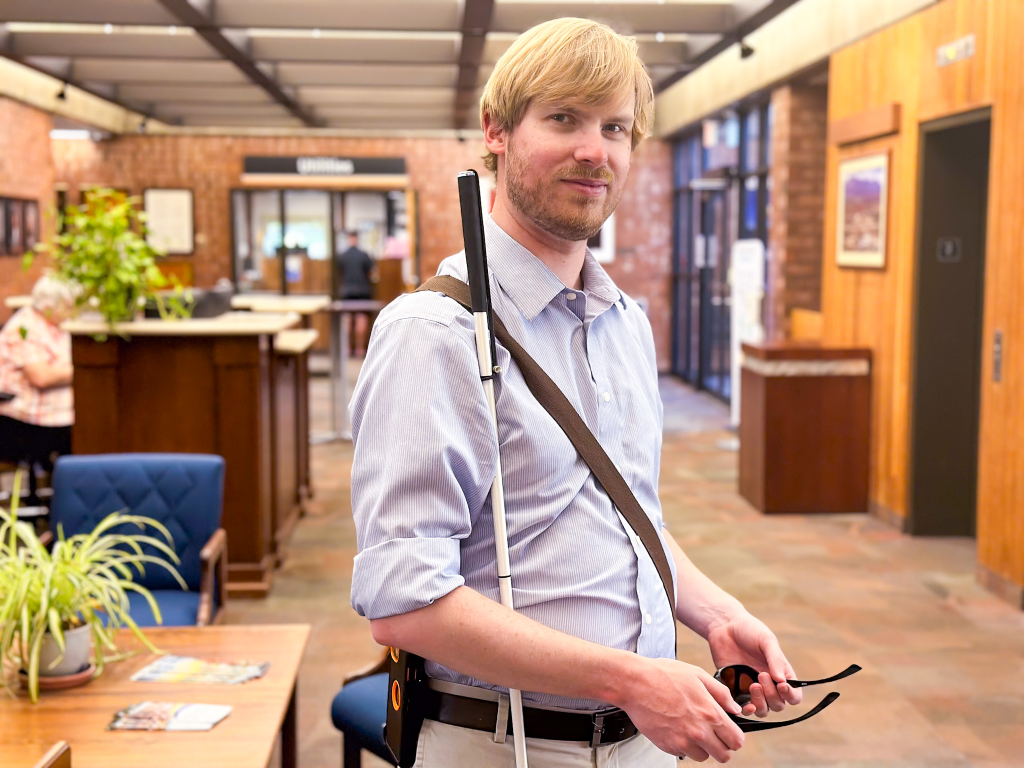
Our technology maps interior routes and installs RFID tags into key walkways. These tags communicate directly with a specially designed Hearsee cane, delivering step-by-step walking instructions and describing tagged landmarks as users move through the environment.
From hotel rooms to departure gates, dressing rooms to library shelves, users can now locate specific destinations—and even discover points of interest like artwork or architectural features—without needing assistance.

Rigid Canes

Our walking canes go hand-in-hand with our indoor navigation software. Hearsee canes are designed to receive signals from RFID tags embedded along walkways and communicate that signal to the blind.

Hearsee’s walking canes are purpose-built to work seamlessly with our indoor navigation software, creating a fully integrated mobility solution for blind and low-vision individuals. Each cane is designed to receive signals from RFID tags embedded along walkways and translate those signals into clear, spoken instructions. Users receive point-by-point guidance on their current location, how to reach their destination, and descriptions of key points of interest along the way.
Developed in close partnership with members of the blind community, these canes are designed for comfort, reliability, and ease of use. While they deliver real-time navigation inside mapped buildings, they also function as dependable, everyday mobility tools—useful in any environment, whether or not the building is equipped with Hearsee’s system.
After extensive testing and approval by blind users, our canes are now ready for mass production. Supporting this next phase allows us to put these tools directly into the hands of the people who need them most within the blind community—because independence shouldn’t depend on access to expensive tech. It should be built in, and shared freely.

Travel Canes

We are in the process of developing a traveling walking cane. This traveling cane will perform the same functions as our ridged cane with the added feature of being collapsible.

We are currently developing a collapsible walking cane to complement our existing Rigid Cane and expand access for travelers. This traveling cane will offer the same smart navigation capabilities as the original—communicating with Hearsee’s indoor navigation system via RFID tags—while adding the convenience of a foldable, portable design. It can be easily collapsed into connected segments, making it simple to store in a backpack, carry onto a plane, or tuck into a car. When needed, the cane can be quickly reassembled for immediate use in any Hearsee-enabled building encountered along the way.
As with all of our mobility tools, the traveling cane has been designed with direct feedback from members of the blind and low-vision community. It’s built to be just as sturdy, comfortable, and intuitive as our Rigid Cane—serving as both a smart navigation device and a dependable mobility aid in any environment, whether or not the area is equipped with Hearsee technology.
We’ve completed schematics and are now in the early stages of prototyping. Product development takes time and resources, especially when precision, safety, and community input are top priorities. By supporting this effort, you help us accelerate development and begin thorough, hands-on testing with blind users. Ultimately, your support helps us bring this cane to the people who need it most—empowering more members of the blind community to move through the world freely and confidently, wherever they go.

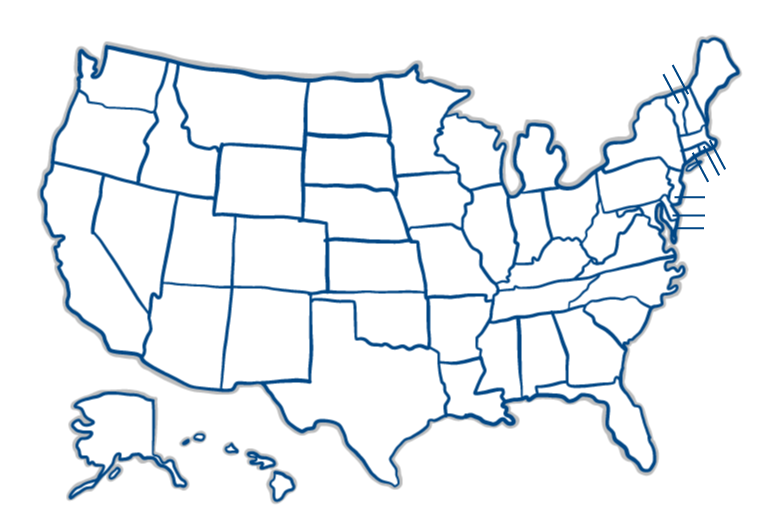
State-by-state disability data

Explore Our Impact

Alabama

  • Total Population                         5025000
  • Total Disability                            835000
  • Total Vision Disability               160000
  • % of Vision Disability                 3.2%
  • % of Disability                              16.6%

Alaska

  • Total Population                        704000
  • Total Disability                           102000
  • Total Vision Disability              18000
  • % of Vision Disability                 2.6%
  • % of Disability                              14.5%

Arizona

  • Total Population                7323000
  • Total Disability                  1023000
  • Total Vision Disability        160000
  • % of Vision Disability          3.2%
  • % of Disability                       16.6%

Arkansas

  • Total Population                           5025000
  • Total Disability                              835000
  • Total Vision Disability               160000
  • % of Vision Disability                 3.2%
  • % of Disability                               16.6%

California

  • Total Population                           5025000
  • Total Disability                              835000
  • Total Vision Disability               160000
  • % of Vision Disability                 3.2%
  • % of Disability                               16.6%

Colorado

  • Total Population                           5025000
  • Total Disability                              835000
  • Total Vision Disability               160000
  • % of Vision Disability                 3.2%
  • % of Disability                               16.6%

Connecticut

  • Total Population                           5025000
  • Total Disability                              835000
  • Total Vision Disability               160000
  • % of Vision Disability                 3.2%
  • % of Disability                               16.6%

Delaware

  • Total Population                           5025000
  • Total Disability                              835000
  • Total Vision Disability               160000
  • % of Vision Disability                 3.2%
  • % of Disability                               16.6%

Floridae

  • Total Population                           5025000
  • Total Disability                              835000
  • Total Vision Disability               160000
  • % of Vision Disability                 3.2%
  • % of Disability                               16.6%

Georgia

  • Total Population                           5025000
  • Total Disability                              835000
  • Total Vision Disability               160000
  • % of Vision Disability                 3.2%
  • % of Disability                               16.6%

Hawaii

  • Total Population                           5025000
  • Total Disability                              835000
  • Total Vision Disability               160000
  • % of Vision Disability                 3.2%
  • % of Disability                               16.6%

Idaho

  • Total Population                           5025000
  • Total Disability                              835000
  • Total Vision Disability               160000
  • % of Vision Disability                 3.2%
  • % of Disability                               16.6%

Illinois

  • Total Population                           5025000
  • Total Disability                              835000
  • Total Vision Disability               160000
  • % of Vision Disability                 3.2%
  • % of Disability                               16.6%

Indiana

  • Total Population                           5025000
  • Total Disability                              835000
  • Total Vision Disability               160000
  • % of Vision Disability                 3.2%
  • % of Disability                               16.6%

Iowa

  • Total Population                           5025000
  • Total Disability                              835000
  • Total Vision Disability               160000
  • % of Vision Disability                 3.2%
  • % of Disability                               16.6%

Kansas

  • Total Population                           5025000
  • Total Disability                              835000
  • Total Vision Disability               160000
  • % of Vision Disability                 3.2%
  • % of Disability                               16.6%

Kentucky

  • Total Population                           5025000
  • Total Disability                              835000
  • Total Vision Disability               160000
  • % of Vision Disability                 3.2%
  • % of Disability                               16.6%

Louisiana

  • Total Population                           5025000
  • Total Disability                              835000
  • Total Vision Disability               160000
  • % of Vision Disability                 3.2%
  • % of Disability                               16.6%

Maine

  • Total Population                           5025000
  • Total Disability                              835000
  • Total Vision Disability               160000
  • % of Vision Disability                 3.2%
  • % of Disability                               16.6%

Maryland

  • Total Population                           5025000
  • Total Disability                              835000
  • Total Vision Disability               160000
  • % of Vision Disability                 3.2%
  • % of Disability                               16.6%

Massachusetts

  • Total Population                           5025000
  • Total Disability                              835000
  • Total Vision Disability               160000
  • % of Vision Disability                 3.2%
  • % of Disability                               16.6%

Michigan

  • Total Population                           5025000
  • Total Disability                              835000
  • Total Vision Disability               160000
  • % of Vision Disability                 3.2%
  • % of Disability                               16.6%

Minnesota

  • Total Population                           5025000
  • Total Disability                              835000
  • Total Vision Disability               160000
  • % of Vision Disability                 3.2%
  • % of Disability                               16.6%

Mississippi

  • Total Population                           5025000
  • Total Disability                              835000
  • Total Vision Disability               160000
  • % of Vision Disability                 3.2%
  • % of Disability                               16.6%

Missouri

  • Total Population                           5025000
  • Total Disability                              835000
  • Total Vision Disability               160000
  • % of Vision Disability                 3.2%
  • % of Disability                               16.6%

Montana

  • Total Population                           5025000
  • Total Disability                              835000
  • Total Vision Disability               160000
  • % of Vision Disability                 3.2%
  • % of Disability                               16.6%

Nebraska

  • Total Population                           5025000
  • Total Disability                              835000
  • Total Vision Disability               160000
  • % of Vision Disability                 3.2%
  • % of Disability                               16.6%

New Hampshire

  • Total Population                           5025000
  • Total Disability                              835000
  • Total Vision Disability               160000
  • % of Vision Disability                 3.2%
  • % of Disability                               16.6%

New Jersey

  • Total Population                           5025000
  • Total Disability                              835000
  • Total Vision Disability               160000
  • % of Vision Disability                 3.2%
  • % of Disability                               16.6%

New Mexico

  • Total Population                           5025000
  • Total Disability                              835000
  • Total Vision Disability               160000
  • % of Vision Disability                 3.2%
  • % of Disability                               16.6%

New York

  • Total Population                           5025000
  • Total Disability                              835000
  • Total Vision Disability               160000
  • % of Vision Disability                 3.2%
  • % of Disability                               16.6%

North Carolina

  • Total Population                           5025000
  • Total Disability                              835000
  • Total Vision Disability               160000
  • % of Vision Disability                 3.2%
  • % of Disability                               16.6%

North Dakota

  • Total Population                           5025000
  • Total Disability                              835000
  • Total Vision Disability               160000
  • % of Vision Disability                 3.2%
  • % of Disability                               16.6%

Ohio

  • Total Population                           5025000
  • Total Disability                              835000
  • Total Vision Disability               160000
  • % of Vision Disability                 3.2%
  • % of Disability                               16.6%

Oklahoma

  • Total Population                           5025000
  • Total Disability                              835000
  • Total Vision Disability               160000
  • % of Vision Disability                 3.2%
  • % of Disability                               16.6%

Oregon

  • Total Population                           5025000
  • Total Disability                              835000
  • Total Vision Disability               160000
  • % of Vision Disability                 3.2%
  • % of Disability                               16.6%

Pennsylvania

  • Total Population                           5025000
  • Total Disability                              835000
  • Total Vision Disability               160000
  • % of Vision Disability                 3.2%
  • % of Disability                               16.6%

Rhode Island

  • Total Population                           5025000
  • Total Disability                              835000
  • Total Vision Disability               160000
  • % of Vision Disability                 3.2%
  • % of Disability                               16.6%

South Carolina

  • Total Population                           5025000
  • Total Disability                              835000
  • Total Vision Disability               160000
  • % of Vision Disability                 3.2%
  • % of Disability                               16.6%

South Dakota

  • Total Population                           5025000
  • Total Disability                              835000
  • Total Vision Disability               160000
  • % of Vision Disability                 3.2%
  • % of Disability                               16.6%

Tennessee

  • Total Population                           5025000
  • Total Disability                              835000
  • Total Vision Disability               160000
  • % of Vision Disability                 3.2%
  • % of Disability                               16.6%

Texas

  • Total Population                           5025000
  • Total Disability                              835000
  • Total Vision Disability               160000
  • % of Vision Disability                 3.2%
  • % of Disability                               16.6%

Utah

  • Total Population                           5025000
  • Total Disability                              835000
  • Total Vision Disability               160000
  • % of Vision Disability                 3.2%
  • % of Disability                               16.6%

Vermont

  • Total Population                           5025000
  • Total Disability                              835000
  • Total Vision Disability               160000
  • % of Vision Disability                 3.2%
  • % of Disability                               16.6%

Washington

  • Total Population                           5025000
  • Total Disability                              835000
  • Total Vision Disability               160000
  • % of Vision Disability                 3.2%
  • % of Disability                               16.6%

Wisconsin

  • Total Population                           5025000
  • Total Disability                              835000
  • Total Vision Disability               160000
  • % of Vision Disability                 3.2%
  • % of Disability                               16.6%

West Virginia

  • Total Population                           5025000
  • Total Disability                              835000
  • Total Vision Disability               160000
  • % of Vision Disability                 3.2%
  • % of Disability                               16.6%

Wyoming

  • Total Population                           5025000
  • Total Disability                              835000
  • Total Vision Disability               160000
  • % of Vision Disability                 3.2%
  • % of Disability                               16.6%

Virginia

  • Total Population                           5025000
  • Total Disability                              835000
  • Total Vision Disability               160000
  • % of Vision Disability                 3.2%
  • % of Disability                               16.6%

Nevada

  • Total Population                           5025000
  • Total Disability                              835000
  • Total Vision Disability               160000
  • % of Vision Disability                 3.2%
  • % of Disability                               16.6%

Info Providers by Annual Disability Statistics Compendium 2025

A woman holding an abstract, colorful painting while smiling and standing next to her white mobility cane in an art gallery setting.

Support Our Mission to Empower the Blind

Hearsee Mobility is a 501(c)(3) nonprofit organization founded by a team of passionate professionals committed to solving indoor accessibility for the blind and low-vision community. Since 2018, we've been building innovative solutions that combine user-first technology with real-world application—working hand-in-hand with the communities we serve. When you donate to Hearsee, you're helping expand access to life-changing navigation tools. Your gift supports the development of smart canes, interactive mapping software, and community outreach efforts—all designed to foster independence, confidence, and freedom of movement. Every contribution brings us closer to a more inclusive world.